Night Barber School Near Me: Find Evening Classes in Orlando
So you want to become a barber but you’ve got a full-time job right now. The good news? Night barber schools exist, and they’re designed exactly for people in your situation. If you’re searching for a night barber school near me, you’re looking for accredited vocational programs that offer evening or flexible scheduling so you can train without sacrificing your current income.
Here’s what you need to know to find the right fit and actually get started.
What to Look for in a Night Barber School
Not every barber school offers evening classes, so you can’t just pick the first one you find. Here’s what separates a solid night program from the rest.
Accreditation matters. Make sure the school is accredited by your state’s Department of Education or a recognized vocational accreditation body. This ensures your license will actually be valid when you graduate. You want a school that meets industry standards and prepares you properly for licensing exams.
Hands-on training should be the main focus. A good barber program is about 90% practical work and 10% classroom theory. You’re learning to cut hair, shape beards, use clippers and straight razors, and master the techniques that clients actually pay for. Look for schools with in-house salons or training facilities where you get real experience with real (or mannequin) clients from day one.
Class size and student-to-instructor ratio matter. Smaller classes mean you get more attention from your instructors. You’re not sitting in a lecture hall with 200 people. You’re in a training salon with maybe 10-15 other students, getting hands-on feedback and corrections.
Schedule flexibility is everything. When you contact schools, ask specifically about their evening and weekend options. Some schools offer strictly night classes. Others let you mix evening and daytime classes depending on your situation. A few even offer accelerated programs if you want to finish faster.
If you’re in the Orlando area, Affinity Hair Academy is worth checking out directly. Call or text to ask about their current evening barber class schedules and how they structure hands-on training around real-world salon experience.
Related: Barber Programs Near Me: Find Training in Orlando
How to Find Night Barber Schools in Your Area
Finding a school that actually offers night classes takes a bit of homework, but it’s doable.
Related: Barber School Orlando Cost: Complete 2026 Breakdown
Start by searching “barber school near me” or “evening barber classes near [your city].” Google Maps will show you what’s in your area. Then narrow it down by calling each school directly and asking if they offer evening hours. Don’t rely on their website alone—programs change, and you want to hear it straight from someone working there.
Related: Barber School Near Me: 1200 Hours Program Guide
Ask about their full schedule and program length. Some night programs take 6-12 months depending on how many hours per week you attend. Others run accelerated (faster) if you go more frequently. Know what fits your life.
Check if they offer financial aid. Most accredited vocational schools accept FAFSA (Free Application for Federal Student Aid), payment plans, and some accept military benefits if that applies to you. Cost shouldn’t stop you from training—ask about all available options.
Look at reviews and ask to visit in person. Read Google reviews, but take them with a grain of salt. Better yet, visit during an evening class if possible. Watch how instructors teach, see the condition of the training salon, and talk to current students. You’ll get a real feel for the place in 15 minutes.
What to Expect in a Night Barber Program
Once you enroll, here’s how a typical evening barber school works.
You’ll spend most of your time in a live salon setting. You’re not sitting at desks taking notes. You’re at a barber chair with clippers in your hand, learning cuts, fades, beard trims, and line-ups. You might start on mannequin heads, then move to supervised practice with real clients (usually at discounted prices through the school’s salon).
Theory happens in short bursts. You’ll learn the science of hair, sterilization practices, skin health, and business basics. But this is maybe 10% of your time. The other 90% is doing the actual work and getting feedback.
Licensing prep is built in. Your school will prepare you for your state’s barber licensing exam. They’ll cover everything on the written test and the practical skills test. Good schools have high pass rates because their curriculum is designed around what the exam actually tests.
You might work with real clients quickly. Many barber schools have in-house salons where students practice on real people. The client gets a cheap haircut, you get invaluable experience, and instructors watch to correct your technique. It’s a win for everyone.
How Night Classes Fit Your Life
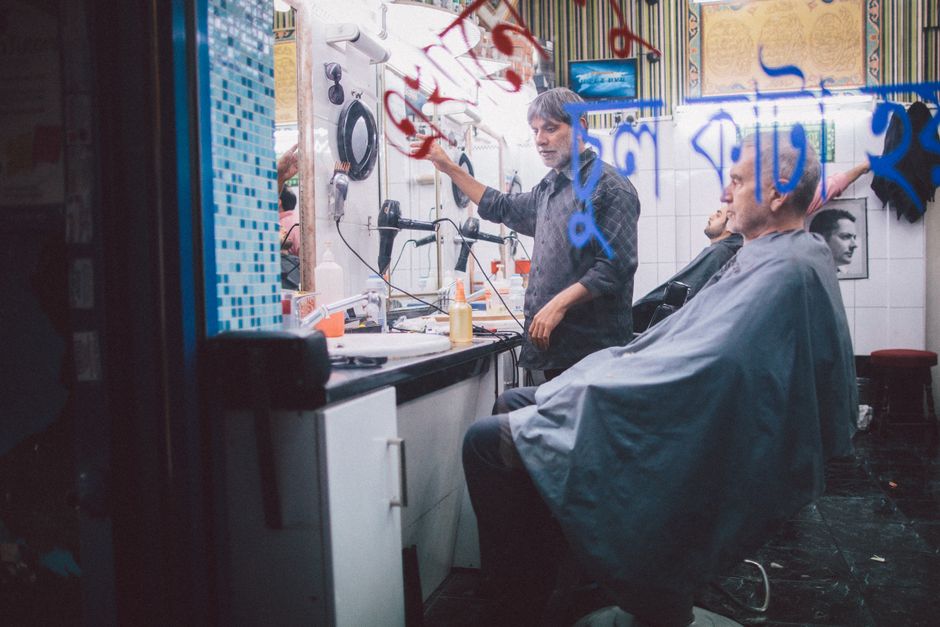
The whole point of a night barber school is that you don’t have to quit your job. You keep your current paycheck and your benefits while you train for your next career.
Typical evening schedules run 5 PM to 9 PM or 6 PM to 10 PM, with some schools offering Saturday morning classes too. You might attend 3-5 nights per week depending on the program.
This means you work days and train nights. It’s demanding, but people do it all the time. You’re investing in yourself without the financial risk of going full-time right away.
Some schools offer online components too. They might use an app or web portal for scheduling, attendance tracking, or theory lessons you can review on your own time. This flexibility helps you manage work, school, and life.
When you’re ready to explore what Affinity Hair Academy offers for evening students, reach out directly. They can walk you through their specific night class times, program length, and how the hands-on training works with your schedule.
Financial Aid and Payment Options
Cost is real, but it shouldn’t stop you. Most accredited barber schools make training affordable.
FAFSA and federal student loans. If you qualify, FAFSA can cover tuition costs. You fill out one form and may be eligible for grants (money you don’t pay back) or low-interest loans.
Payment plans. Many schools let you pay monthly instead of upfront. It spreads the cost over your training period.
Military benefits. If you’re a veteran or active duty, your GI Bill might cover barber school. Check with your school’s veterans affairs coordinator.
Employer tuition assistance. Some jobs offer tuition reimbursement. Ask your current employer if they have a program—you might be able to use it for your barber training.
Red Flags to Avoid
Not all barber schools are created equal. Watch out for these warning signs.
Schools that can’t clearly explain their accreditation. Accreditation should be easy to verify. If they’re vague about it, walk away.
No in-house salon or training facility. You need to practice on real or realistic mannequins. If a school says you just watch videos or practice on paper, it’s not enough.
Promises that sound too good to be true. “Become a barber in 8 weeks!” or “We guarantee a job after graduation!” These are red flags. Real barber training takes time, and job placement depends on your effort.
Poor reviews mentioning instructors who don’t show up or unclear curriculum. Read between the lines in reviews. A few complaints are normal. But patterns of unprofessional behavior or unclear teaching are deal-breakers.
Schools that don’t accept FAFSA or other aid. Legitimate schools work with financial aid programs. If they only take cash upfront, question why.
Next Steps: How to Enroll

Once you’ve found a school with night classes that fits your schedule and meets the standards above, here’s what to do.
- Call or visit in person. Get real answers about their evening programs, class sizes, curriculum, and what they expect from students.
- Ask about start dates. Most schools have rolling enrollment (you can start almost anytime) or specific cohort start dates.
- Understand the full cost and payment options. Know the total tuition, what’s included, and what financial aid you might qualify for.
- Get admissions requirements. You’ll typically need a high school diploma or GED, and you’ll have to be 18+. Some schools require a basic application or interview.
- Enroll and get your hands-on training started. Once you’re in, you’re learning by doing from day one.
If you’re in the Orlando area and want to explore what a comprehensive barber program looks like with real hands-on experience, Affinity Hair Academy combines classroom theory with 90% practical salon training. Reach out to ask about their current evening barbering class schedules and enrollment process.
Why Night Barber School Works for Career Changers
Barbering is a skill trade with real earning potential. Once you’re licensed, you can work for a barbershop, build your own clientele, or even open your own shop. The barrier to entry is lower than many careers, and the barrier to success is just hard work and good customer service.
Evening classes remove the biggest obstacle: money. You can keep your current job and income while you train. You’re not making a risky bet on yourself; you’re investing in a skill while you still have financial stability.
Barbers are always in demand. According to the U.S. Bureau of Labor Statistics, barber positions remain steady and recession-resistant. People will always need haircuts.
You’re building a real, transferable skill. Unlike some jobs, barbering skills are valuable anywhere. Move to a new city? You can find work as a barber anywhere in the country.
People Also Ask
How long does barber school take if I’m doing evening classes?
Most evening barber programs take 6-12 months, depending on how many hours per week you attend and your state’s licensing requirements. Some states require 1,000-1,500 hours of training. If you attend 15-20 hours per week in the evenings, you’re looking at closer to a year. Accelerated programs that meet more nights per week can sometimes finish in 6 months.
Do I need any qualifications to enroll in barber school?
You need to be at least 18 years old and have a high school diploma or GED. That’s it. No prior experience with hair or barbering is required. Schools teach you everything from the ground up.
Can I work full-time while going to evening barber school?
Yes, that’s exactly the point. Thousands of people do it. You work during the day, go to class in the evenings, and train hands-on with clients. It’s demanding but totally doable, especially if your day job is flexible about when you leave for class.
What’s the difference between a barber and a cosmetologist?
Barbers specialize in men’s haircuts, beard shaping, and straight razor work. Cosmetologists learn broader skills including women’s and men’s hair styling, coloring, chemicals, and often skin care. Training is different, licenses are different, and the work is different. Choose barber school if you love the craft of cutting and the barbershop environment.