
Barber School Near Me: 1200-Hour Guide
So you’re searching for a barber school near you that offers the standard 1200-hour program. Good news: that’s the most common certification requirement across the US, which means you’ve got real options. The even better news? You can finish this training in as little as 6 to 12 months if you go full-time. Whether you’re looking to start a new career or pivot into something hands-on and rewarding, understanding the 1200-hour barber school landscape is the first step to getting licensed and working with clients.
What’s the 1200-Hour Barber Program Actually About?
The 1200-hour requirement is Florida’s standard for barber licensing, and it’s pretty typical across most states. Some states ask for as few as 1000 hours, while others go up to 2000, but 1200 is the sweet spot that gives you real, marketable skills without unnecessarily dragging out your training.
Those hours break down into hands-on practice and classroom learning. Here’s what matters: you’re not just sitting in lectures. A quality barber school like Affinityhairacademy focuses on learning by doing, which means you’ll spend the vast majority of your time actually working with clients under supervision. This isn’t theoretical. You’ll cut real hair, learn real techniques, and build the confidence you need on day one of your career.
How Long Does a 1200-Hour Barber Program Actually Take?
Timeline depends on how you want to study. Full-time students typically complete 1200 hours in 6 to 12 months, depending on how many hours per week the school runs. If you’re hitting 25-30 hours per week, you’re looking at closer to 12 months. If your program is more intensive at 35-40 hours per week, you could be done in 6-7 months.
Part-time is also a real option if you’re working another job or have other commitments. Part-time barber students usually complete the program in 1 to 2 years. The key is finding a school with flexible scheduling, because life doesn’t stop when you decide to get your license.
One thing to keep in mind: if you’re already a licensed cosmetologist, some states let you complete barber training in as few as 200 hours because you’ve already got the foundational skills. That’s a huge shortcut if it applies to you.
What Should You Look for in a Barber School Near You?
Not all barber schools are built the same. Here’s what actually matters when you’re comparing options:
-
- Accreditation. Make sure the school is accredited and that the program meets your state’s licensing requirements. You want your hours to count.
-
- Hands-on Training Ratio. Avoid schools that lean too heavy on classroom time. You need real practice with real clients. Look for schools that emphasize a high percentage of practical, in-salon experience.
-
- Flexible Schedule Options. Day classes, evening classes, part-time, full-time. The more flexibility, the better. You shouldn’t have to put your life on hold to get licensed.
-
- In-House Salon. If the school runs its own salon, that’s a huge win. It means you’re practicing on real clients from day one, and you’re building a portfolio while you learn. Plus, schools with salons often offer affordable services to the public, which keeps tuition competitive.
-
- Financial Aid and Payment Plans. Ask about FAFSA, military benefits, and payment plans. Legitimate schools make this info easy to find.
- Career Support. Does the school help you find a job after graduation? Good ones do. That’s the whole point.
The Real Cost of a 1200-Hour Barber Program
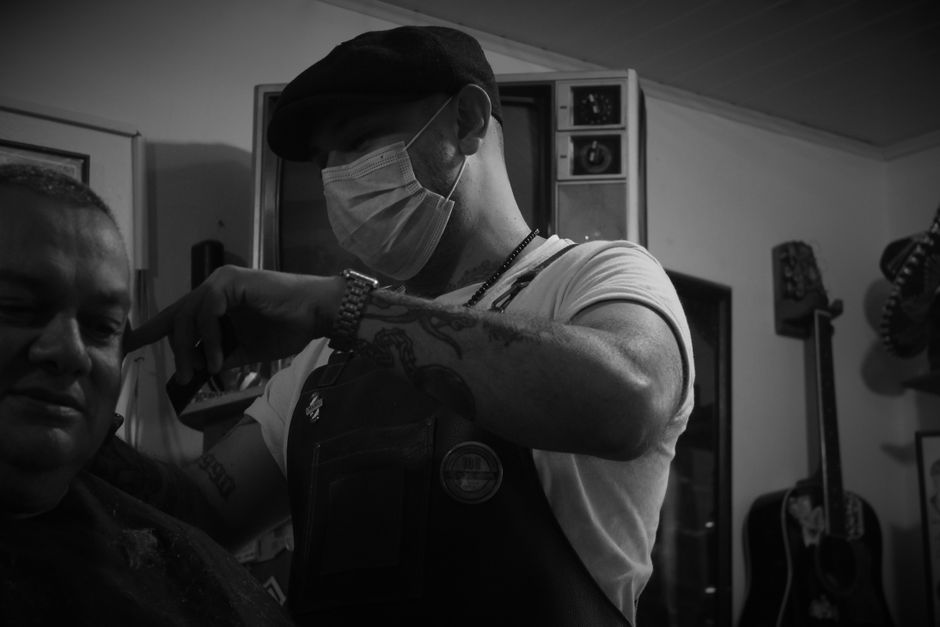
Tuition varies, but a 1200-hour barber program typically runs anywhere from $10,000 to $20,000 depending on location and the school’s reputation. The good news is that accredited programs often qualify for federal financial aid, which can bring that cost way down.
Here’s a pro tip: if a school operates an in-house salon, your tuition dollars often get offset by the revenue from student services. That’s why Affinityhairacademy keeps costs reasonable. You’re learning on real clients, the school’s making money on those services, and you’re getting more practical experience than you’d get anywhere else. It’s a win-win.
Don’t forget to factor in books, tools, and licensing exam fees. Those add a couple hundred bucks, but they’re one-time costs.
What’s Actually Included in the 1200 Hours?
Your 1200 hours cover a lot of ground. You’ll learn cutting techniques, fades, line work, beard trimming, and shaving (some states require a separate license for straight-razor shaving, so check your state’s rules). You’ll also cover sanitation and safety, which is non-negotiable in any school worth your time.
Some programs go beyond the minimum 1200 and offer 1,728 hours for more comprehensive training. That’s extra practice in specialized techniques, business skills, and advanced styling. Whether that’s worth it depends on your goals, but it’s worth asking about.
Most programs also work in customer service, business basics, and some light theory about hair growth and skin conditions. It’s not overwhelming, but it gives you the context you need to talk to clients like a pro.
Finding a School That Actually Fits Your Life
When you’re searching for “barber school near me,” you’re probably hoping to find something local, affordable, and flexible. That’s totally reasonable. Here’s how to narrow it down:
Start by checking your state’s licensing board website. They’ll have a list of approved schools in your area. From there, visit the schools in person. Seriously. Walk the salon, talk to students, ask if you can watch a class. The energy matters. You spend months there.
Ask about class schedules. If you work full-time and need evening classes, some schools won’t be able to help. If you want to go full-time and finish in 6 months, others won’t have that option. Know what you need before you enroll.
Call the school and ask questions. How many students per instructor? What’s the student-to-client ratio in the salon? Do they help with job placement? Do they accept financial aid? How many students pass the licensing exam on their first try? Good schools answer this stuff fast and honestly.
After You Finish: What’s Next?
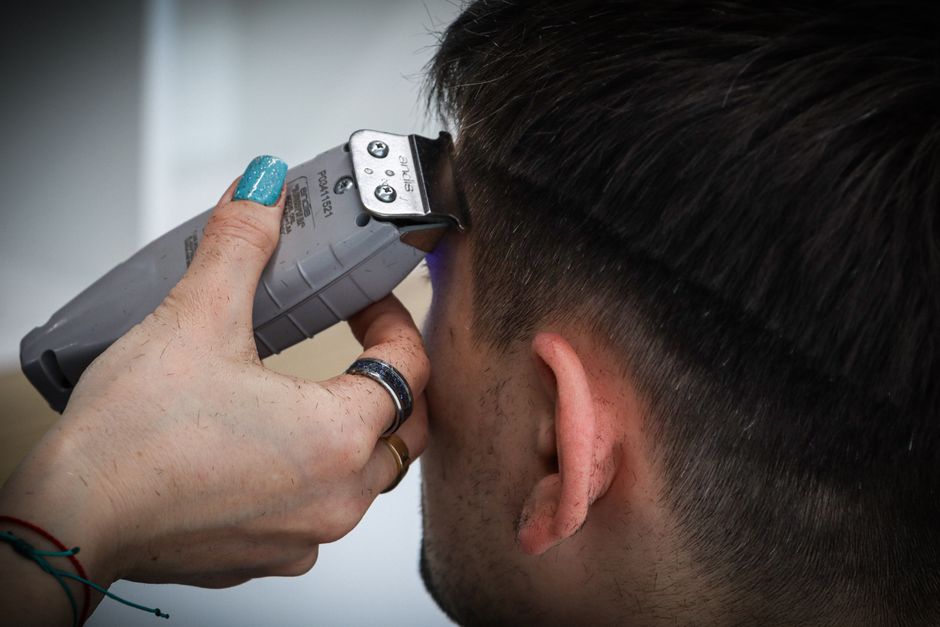
Once you complete your 1200 hours, you’ll take your state’s licensing exam. It’s usually a written test plus a practical demo where you show your cutting and shaving skills. If your barber school has prepared you well, this isn’t scary. It’s just proof of what you already know.
After you’re licensed, you’ve got options. You can work at a barbershop, start your own, or even specialize further in areas like men’s grooming, fades, or beard work. Many barbers make excellent money, especially once they build a loyal client base. The beauty of barbering is that it’s a trade skill that’s always in demand and hard to automate.
If you’re in the Orlando area and looking for a program that keeps it real, Affinityhairacademy combines that 1200-hour requirement with a 90% hands-on approach and real salon experience. You learn by doing, not by sitting in a classroom pretending it matters.
Why the 1200-Hour Requirement Exists
You might wonder why barbering requires so many hours. The National Council of Barber Boards sets these standards because barbering involves working with sharp tools close to the face and neck. You need to know anatomy, sanitation, technique, and how to handle different hair types. That takes time to learn properly. Those hours aren’t busywork. They’re literally the amount of practice you need to be safe and confident.
Common Questions About 1200-Hour Barber Programs
Can I Complete 1200 Hours in Less Time?
If you’re studying full-time, yes. Some intensive programs let you finish in 5-6 months by offering longer class days and more weeks per year. But the hours still add up to 1200. You can’t skip hours. Your state won’t license you without them.
Do I Need a High School Diploma to Enroll?
Most states require a high school diploma or GED. Some schools are flexible if you’re close, but it’s worth asking during your enrollment call. It’s a legitimate requirement, and schools can’t bend it just because you ask nicely.
Will My Hours Transfer if I Move to Another State?
Maybe. Every state has its own requirements, and some are more generous with reciprocity than others. If you’re planning to move, research your destination state’s rules before you enroll. You might need to take another exam or complete extra hours depending on where you go. It’s worth clarifying upfront.
What’s the Job Market Like for Barbers Right Now?
It’s solid. Barbering is one of the few trades that’s actually growing, not shrinking. Men’s grooming and specialty fade work are in demand, and barbers who are good at customer relationships and marketing make real money. You’re not picking a dead-end career here.