Barber Programs Near Me: Find Training in Orlando
If you’re searching for barber programs near me, you’re probably wondering what the actual training looks like and how to find a school that won’t waste your time or money. Good news: barber training is hands-on, career-focused, and available in more locations than you might think.
Let’s break down how to find the right barber program for you and what you should expect when you start.
Related: Night Barber School Near Me: Find Evening Classes in Orlando
Related: Cosmetology Apprenticeship Hands-On Training in Orlando
What Barber Programs Actually Teach You
Before you search for barber programs near me, understand what you’re actually signing up for. Barber training isn’t just about cutting hair. You’ll learn a full toolkit of professional services that keep customers coming back.
Core skills include classic barbering techniques like fades, tapers, and clipper work. You’ll master the straight razor for clean shaves and detail work. Color and texture treatments for beards and hair are part of it too. Most programs also cover professional grooming services, client communication, and how to run a chair (or your own shop) once you’re licensed.
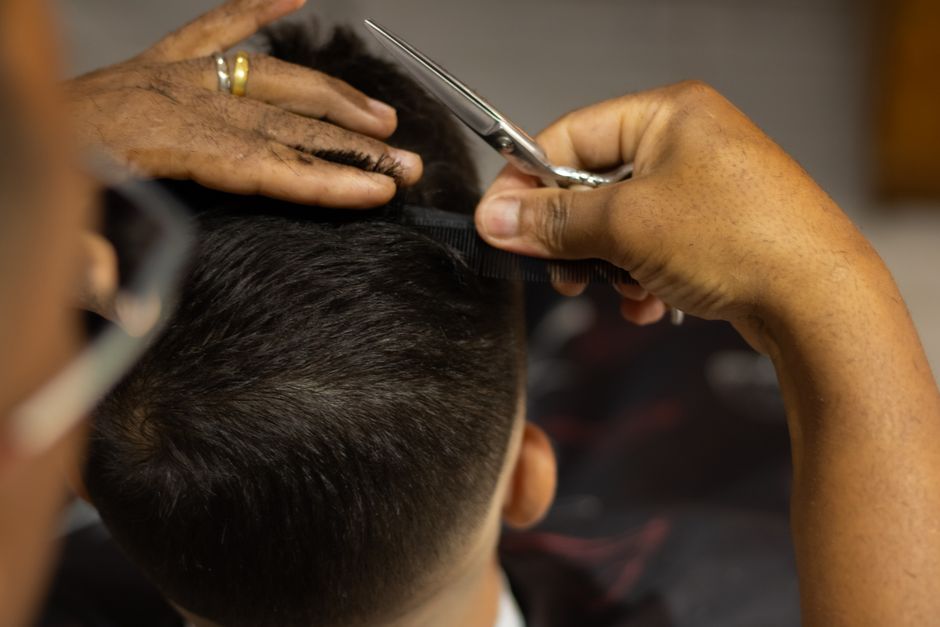
The best programs blend theory with real salon experience. You’ll spend the majority of your time working hands-on with actual clients (under supervision), not just watching videos or reading textbooks. This approach means you walk out with real confidence, not just a certificate.
Why Location Matters When Choosing Barber Programs Near Me
When you’re hunting for barber programs near me, location affects more than just your commute. It determines which state’s licensing board oversees your training and what specific curriculum requirements you’ll need to meet.
Each state has its own Board of Barbering and Cosmetology that sets minimum standards for barber schools. As of 2026, these boards require accredited programs to cover specific techniques, safety protocols, and business fundamentals. If you’re in Florida, for example, the requirements differ slightly from Texas or California.
Related: Best Barber Apprenticeship Programs in Florida (2026)
Local programs also matter because you’ll build your professional network where you train. Instructors and classmates often become referral sources, collaborators, or even future business partners. Training in your area means you’re already plugged into the local barber community when you graduate.
How to Evaluate Barber Programs Near Me
Not all barber schools are created equal. When you’re comparing options, here’s what actually matters.
Check for accreditation first. Your school must be approved by your state’s Board of Barbering and Cosmetology. This isn’t optional. Without accreditation, your license won’t be valid, and you won’t qualify for federal financial aid.
Look at the hands-on ratio. Ask how much time you’ll spend in the salon versus in a classroom. Programs that offer 90% practical work and 10% theory give you way more real-world experience than schools that split it 50-50. You learn barbering by doing it, not by reading about it.
Read reviews from actual students. What do people say about the instructors? Are they experienced barbers who mentor you, or are they just lecture-based teachers? Do graduates feel confident finding clients? Can they land a job after licensing? These real-world outcomes matter more than fancy facilities.
Ask about job placement support. Some programs help you find work after graduation. Others hand you a diploma and say good luck. Programs that invest in your career success usually have relationships with local barbershops and can introduce you to potential employers.
Understand the financial aid options. If you need help paying for training, ask whether the school accepts FAFSA, GI Bill benefits, or other financial aid. Affinity Hair Academy helps students explore multiple funding paths so cost isn’t a barrier to starting your career.
Types of Barber Programs Available Near You

Barber training comes in a few different formats depending on your situation and learning style.
Traditional in-person programs. You attend class on campus full-time or part-time, working with real clients in the school’s salon. This is the most common format and gives you the most structured support and hands-on practice.
Hybrid programs. Some schools offer a mix of online classroom content and in-person salon practice. This works well if you’re juggling work or family commitments and need flexibility. You do the theory online, then show up for the real training.
Related: Best Hands-On Beauty Training Programs 2026: Top 5 Ranked
Specialized training. After you’re licensed, you can take advanced courses in specific techniques like straight razor work, beard design, or color correction. These are shorter, focused programs that level up your existing skills.
What Your First Year of Barber Training Looks Like
You’re probably wondering what an actual day in barber school looks like. Here’s the real picture.
You’ll start with fundamentals: proper grip, blade angles, clipper control, and how to communicate with clients. Your instructors will have you practice these skills repeatedly until they’re muscle memory. Then you’ll move into real client work under supervision. You’ll get feedback on every cut, every shave, every detail.
You’ll also learn business basics: how to build a clientele, manage your time, handle payments, and maintain a professional image. Some programs include customer service training and how to run your own chair or eventually start your own shop.
Throughout training, you’re building a portfolio of work and getting real reviews from real clients. That experience is gold when you’re job hunting after graduation.
How to Apply to Barber Programs Near Me
Once you’ve narrowed down your options, the application process is straightforward. Most barber schools accept direct enrollment year-round, though some cohorts fill up faster than others.
You’ll typically need a high school diploma or GED and proof of age (18+). Some schools have short application forms; others just want to chat with you about your goals. The goal is to make sure barbering is the right fit for you and to answer your questions about the program.
Financial aid applications, if needed, are usually completed after you’re accepted. Schools can walk you through FAFSA, payment plans, scholarships, or employer tuition assistance.
If you’re in the Orlando area and looking for a program that combines real salon experience with structured training, Affinity Hair Academy offers accredited barbering programs where you spend most of your time working with actual clients in a live salon. That’s the fastest way to build the confidence and skills you need.
Why You Should Start Your Barber Training Sooner Than You Think
Barbering is a recession-resistant career. People always need haircuts and shaves, whether the economy is booming or slowing down. Plus, you can work as an independent contractor, build your own clientele, and create the income you want.
The earlier you start training, the earlier you start earning. Most programs take under a year to complete, so you could be licensed and building clients by next year.
The best time to find barber programs near you is today. Most schools have rolling admissions, meaning you can start the next available cohort. Don’t wait for the perfect moment. That moment is now.
People Also Ask
How long does barber training take?
Most accredited barber programs take between 9 to 12 months of full-time training to complete. Some schools offer part-time options that take longer but give you schedule flexibility. Your state’s licensing board sets the minimum hours required, which is usually around 1,200 to 1,500 hours.
How much does barber school cost?
Costs vary widely depending on location and program length, ranging from $8,000 to $15,000 for full programs. Many schools accept financial aid, payment plans, and military benefits like the GI Bill, which can make training more affordable. Ask about scholarships too.
Do I need a high school diploma to attend barber school?
Yes, most accredited barber schools require either a high school diploma or GED. Some schools may have alternative requirements, so ask during your application process. Age requirements are also important – you must be at least 18 years old in most states.
Can I get a job right after barber school?
Yes. Once you pass your state licensing exam, you can work immediately at a barbershop, salon, or eventually start your own business. Many schools help graduates connect with local employers, and your hands-on training means you’ll have real experience clients appreciate.
What’s the difference between a barber and a cosmetologist?
Barbers specialize in men’s grooming, clipper work, fades, and straight razor services. Cosmetologists have broader training that includes women’s hair, color, perms, and more general beauty services. Some people get both licenses. Your career goals determine which path makes sense for you. According to the U.S. Bureau of Labor Statistics, both fields offer strong job security and income potential.