Esthetician Courses in Miami: Your Complete Guide to Getting Licensed
If you’re thinking about becoming an esthetician in Miami, you’re looking at a legit career move. The skincare industry is booming, clients are willing to pay for quality service, and the barrier to entry isn’t as steep as you might think. Let me walk you through exactly what esthetician courses in Miami look like, what they cost, and how to pick the right one for your life.
What Exactly Are Esthetician Courses in Miami?
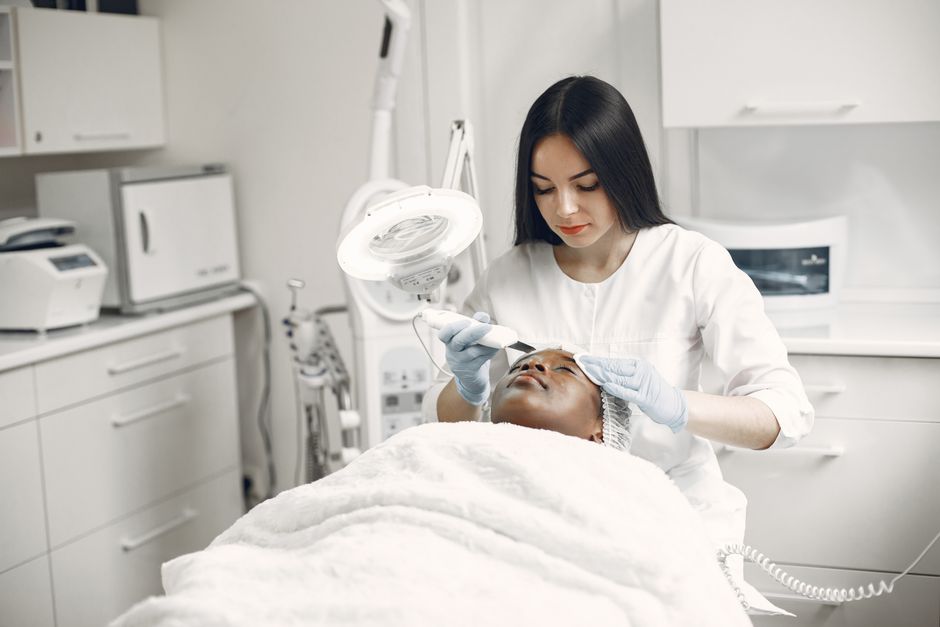
Esthetician courses are specialized training programs that teach you how to care for skin professionally. You’re learning facials, chemical peels, extractions, hair removal, product knowledge, and client consultation skills. Think of it as the skincare equivalent of becoming a barber or cosmetologist, but hyper-focused on skin health.
Related: Licensed Barber Instructor Training Florida: Complete Guide
Related: How to Get FAFSA for Beauty School: Complete Guide
In Florida, esthetician programs are state-regulated and you need to complete them before you can sit for your licensure exam. Most programs in Miami combine classroom instruction with tons of hands-on salon practice. That’s important because you’re not just memorizing skin types on paper, you’re actually touching faces and solving real skin problems under supervision.
How Long Do Esthetician Courses in Miami Take?
Most esthetician courses in Miami require between 220 and 260 clock hours to complete. That sounds like a lot until you break it down.
If you attend full-time, you’re looking at around 2.5 to 3.5 months. Some accelerated programs can get you through in as little as 2.5 months if you’re grinding it out five days a week. If you go part-time with evening or weekend classes, expect 4 to 6 months, depending on how many hours per week you’re putting in.
The beauty of flexible scheduling is real. If you’re working another job or have family stuff going on, you don’t have to choose between your current life and your new career. Many Miami schools offer day shifts, evening shifts, and mixed schedules to fit your reality.
What’s Covered in the Esthetician Curriculum?
Here’s what you’ll actually be learning during your esthetician courses:
- Skin Analysis and Types: You need to understand normal, dry, oily, combination, and sensitive skin. Plus conditions like acne, rosacea, and hyperpigmentation. This matters because you can’t treat every face the same way.
- Professional Facials: Classic facials, chemical peels, extractions, mask applications. You’re learning the step-by-step process, product application, and how to read a client’s skin in real time.
- Hair Removal Techniques: Waxing, threading, and maybe electrolysis depending on the program. Safety and precision are huge here.
- Sanitation and Infection Control: This isn’t boring regulatory stuff, it’s literally how you keep clients safe. Proper sterilization of tools, clean room protocols, and knowing when to refer a client to a dermatologist instead of treating them yourself.
- Product Knowledge: What ingredients actually work, how to match products to skin types, and honest conversations about what will and won’t help a client.
- Client Communication: How to consult with clients, build trust, upsell services without being pushy, and handle complaints professionally.
- Business Basics: Some programs teach you how to run your own business or manage a chair rental in a salon.
How Much Do Esthetician Courses Cost in Miami?
Esthetician program costs in Miami typically start around $3,920 and can go higher depending on the school and how long you’re enrolled. That’s not cheap, but it’s also way more affordable than a four-year degree.
Here’s the money talk: Some programs cost $4,000 to $6,000 total. A few might be higher if they’re offering extra certifications or specialized training. The cost usually includes tuition, but you’ll want to ask if supplies, textbooks, and exam fees are included or separate.
Financial aid is often available. Talk to schools about FAFSA funding, payment plans, or military benefits if you’re a veteran. Some employers will even help with tuition reimbursement, so it’s worth asking around.
What’s the Difference Between Full-Time and Part-Time?
Full-time programs cram everything into 2.5 to 3.5 months. You’re in class most days, doing hands-on work, and moving fast. It’s intense but you’re done before you know it. This works great if you can take time off work or if you’re between jobs.
Part-time programs spread the same 220-260 hours across 4 to 6 months with evening or weekend classes. You keep working, keep your paycheck, and learn at a steadier pace. The downside is it takes longer, but the upside is zero financial stress and you’re earning while you’re learning.
There’s no wrong choice. It depends on your money situation, your job, and whether you learn better in a sprint or a marathon.
What Should You Look for in an Esthetician School?
Not all esthetician courses in Miami are created equal. Here’s what matters:
- Accreditation: Make sure the school is accredited by a recognized agency. This matters for your license and if you ever want to transfer credits or attend another program.
- Hands-On Training Ratio: Look for schools that emphasize practical work over just sitting in lectures. You want to actually work on real clients or other students, not just watch videos.
- In-House Salon: Some schools run their own salon where students work on real clients under supervision. This is gold because you get genuine experience and clients get affordable services.
- Job Placement Support: Ask about job placement rates and whether the school helps you find work after graduation. A good school has connections with local salons and spas.
- Class Schedule Flexibility: Does the school offer the times that work for you? Evening classes? Weekends? Can you pause and restart if life happens?
- Student Reviews: Check Google, Trustpilot, and local Facebook groups. Real student feedback is invaluable.
- Cost Transparency: Does the school clearly spell out all costs upfront, or do surprise fees keep popping up? Transparency matters.
Florida Licensing Requirements for Estheticians

Here’s the official path: Complete your 220-260 clock hours, then sit for the Florida state board exam. You’ll need to pass both a written test and a practical exam where you actually perform services under observation. Once you pass, you get your license and you’re legally allowed to work as a licensed esthetician in Florida.
Your license is renewable every two years and requires continuing education hours. It’s not a one-and-done thing, but the renewal process is pretty straightforward.
If you want to work toward this in a structured, hands-on environment, Affinity Hair Academy specializes in practical beauty vocational training with real salon experience built into the curriculum. They focus on learn-by-doing models that prepare you for the actual work.
The Real Career Potential
Here’s why esthetician courses matter beyond just getting a license. According to the U.S. Bureau of Labor Statistics, skin care specialist jobs are projected to grow faster than average through the next decade. People care about their skin, they spend money on it, and they’ll pay for quality service.
After you’re licensed, you can work at high-end spas, medical offices that do aesthetic treatments, salons, or start your own business. The earning potential varies, but experienced estheticians can make solid income, especially in bigger cities like Miami where clients have disposable income for skincare.
Getting Started With Esthetician Courses in Miami
Here’s your action plan:
- Research 3 to 5 schools offering esthetician courses in Miami. Make a spreadsheet with cost, schedule, and accreditation details.
- Call or visit at least two schools. Talk to current students if you can. Get a feel for the vibe and whether the instructors actually care.
- Ask about financing options, job placement, and what happens after graduation.
- Check if the school offers a trial class or campus tour so you can see the actual training salon.
- Make your choice and commit. This is a short program, your payoff is real, and you’re closer to a new career than you think.
The esthetician field is welcoming to career-changers, people with no prior beauty experience, and anyone willing to learn. You don’t need to have been doing facials since you were 12. You just need to show up, pay attention, and put in the work during your training.
Do I need a high school diploma to enroll in esthetician courses?
Most Florida schools require either a high school diploma or GED. Some schools may accept students without either if they meet other criteria, but it’s rare. Check with individual schools about their specific requirements, and don’t assume you’re disqualified until you ask.
Can I get financial aid for esthetician courses in Miami?
Yes. Many programs qualify for federal financial aid including FAFSA and student loans. Military benefits are often accepted too. Some schools offer payment plans so you’re not paying everything upfront. Always ask about available funding before you assume cost is a blocker.
How hard is the Florida esthetician licensing exam?
The exam is learnable. It tests what you’ve actually been taught in your program. The written portion covers theory and safety. The practical portion has you performing services on a model under an examiner’s watch. If you paid attention in class and got real practice hours, you’ll be ready. That’s why hands-on training matters so much.
Can I work while taking esthetician courses in Miami?
Absolutely. Part-time programs are specifically designed for people who work. Evening and weekend classes let you earn paychecks while you train. Full-time programs are faster, but part-time is totally viable if your schedule allows a few hours per week of coursework.