Cosmetology Career Training Programs in Florida: Your 2026 Guide
If you’re thinking about becoming a cosmetologist in Florida, you’ve got solid options. There are over 110 accredited cosmetology training programs across the state, and most take between one and two years to complete. The real question isn’t whether programs exist, but which one fits your life, goals, and learning style.
Let’s break down everything you need to know about finding and choosing a cosmetology career training program in Florida.
Related: Nail Technician Training in Orlando, Florida: Your Complete Guide
Related: Licensed Barber Instructor Training Florida: Complete Guide
Related: Barber Licensing Exam Preparation Florida: Study Guide 2026
What Florida Cosmetology Programs Actually Cover
Florida cosmetology training isn’t just about hair. Accredited programs teach you a full range of skills across multiple beauty disciplines.
Related: Beauty Schools in Gainesville Florida: Your Guide to Cosmetology Programs
Related: SkillsUSA Florida: Career Training for Beauty Professionals
You’ll learn:
- Hair cutting, coloring, and styling techniques
- Nail care and manicure/pedicure services
- Skin care and facial treatments
- Chemical treatments and perms
- Client consultation and communication
- Salon business and safety practices
- State licensing exam preparation
Most programs use a hands-on approach. That means you’re working with real clients from day one, not just practicing on mannequin heads. This real-world experience is what gets you job-ready, not just test-ready.
How Long Does Cosmetology Training Take in Florida?
Certificate programs in Florida typically run between 1,200 and 1,500 hours, which usually takes about 12 to 18 months depending on how many hours per week you attend.
Some schools offer accelerated schedules if you can commit more hours per week. Others have flexible evening or weekend options if you’re working while you train. It depends on your situation.
The timeline matters because you want to balance speed with actually learning the skills that’ll make you competitive. Rushing through 1,200 hours in six months is different than spreading it across 18 months with more practice repetitions and client work.
Licensing and Exam Pass Rates Matter
Here’s what most people don’t ask about: does the school actually prepare you to pass Florida’s state cosmetology licensing exam?
Top-performing programs achieve 84% or higher state licensure pass rates. That’s a huge difference between a school where 8 out of 10 graduates pass on the first try versus one where that number is closer to 6 out of 10.
When you’re evaluating a program, ask them straight up: “What was your licensure pass rate last year?” If they dodge the question or seem defensive, that’s a red flag. A quality program is proud of those numbers.
Affinity Hair Academy and similar accredited schools in Florida track and publish these metrics because they know pass rates directly reflect training quality.
In-Person, Hands-On Training vs. Online (Spoiler: Go In-Person)
Some programs advertise online or hybrid cosmetology training. Be careful here.
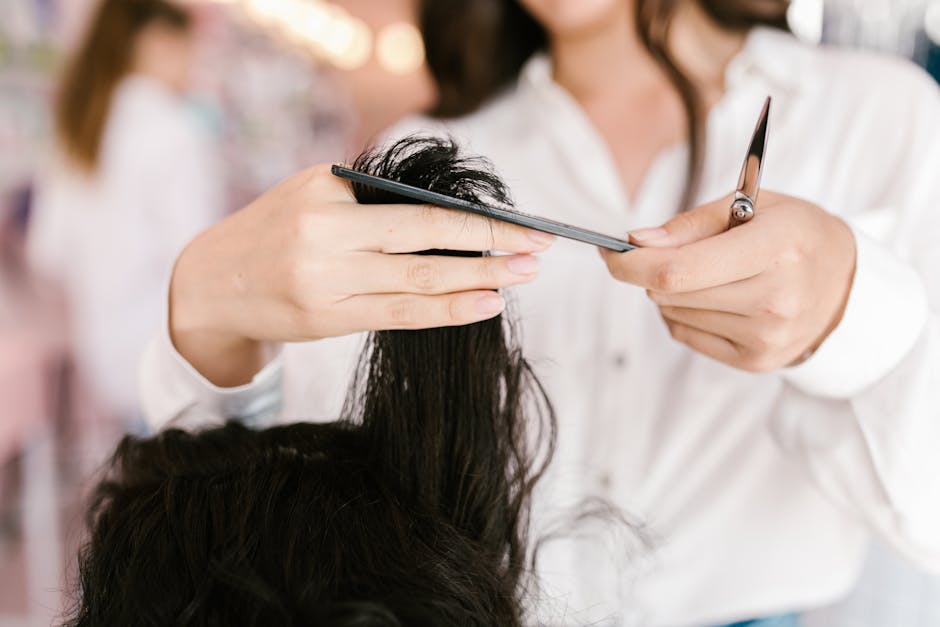
You cannot learn to cut hair, color hair, or perform skin care treatments through a computer screen. Full stop. The Florida Department of Business and Professional Regulation requires hands-on training with real clients supervised by licensed instructors.
Any program worth your time and tuition will be 100% in-person, in-salon training. That’s non-negotiable for cosmetology.
Accreditation and Financial Aid
Make sure the program you choose is accredited. Accreditation means the school meets federal and state quality standards. It also matters for financial aid.
If you qualify for:
- Federal student aid (FAFSA)
- Pell Grants
- Military benefits (VA benefits, GI Bill)
- State vocational training grants
…the school must be accredited for you to use those funding sources. Many career-switchers don’t realize they might be eligible for aid that makes training affordable.
According to the U.S. Department of Education, accredited vocational programs can unlock thousands in federal grant money you don’t have to repay.
The Real-Client Training Advantage
Here’s what separates good cosmetology programs from great ones: when do you start working with paying clients?
Some schools delay real client work until month six or later. Others (like Affinity Hair Academy) get you working with real clients from the beginning under instructor supervision. That model is sometimes called “learning by doing,” and it matters because:
- You build speed and confidence faster
- You learn to handle real client communication and expectations
- You graduate with a portfolio of actual work you’ve done
- Employers see you’re trained and ready, not just certified
When you’re interviewing programs, ask: “When do I start with real clients, and how much of my training time involves actual salon clients?” The answer tells you a lot.
What to Look For When Choosing Your Program

Not all 110+ programs in Florida are equal. Here’s what to evaluate:
Location and Schedule
Can you get to the school consistently? Does their schedule match your life? If you work full-time, an evening or weekend program might be necessary. If you need to be done fast, an accelerated daytime program works better.
Instructor Experience
Ask about the instructors’ backgrounds. Are they licensed cosmetologists with salon experience? Or are they just certified teachers? You want both, actually. Someone who’s worked in a busy salon knows the realities you’ll face; someone trained in education can teach it clearly.
Salon Operations and Real Clients
The best programs run in-house salons where you work on real paying clients supervised by instructors. That’s your training ground.
Job Placement Support
Does the school help graduates find jobs? Do local salons hire from there? A good program has relationships with local salons and employers.
Cost and Financial Aid
Programs typically cost $12,000 to $20,000+. But with FAFSA, grants, or payment plans, your out-of-pocket cost might be much lower. Compare total cost, not just sticker price.
Specialty Programs Beyond Basic Cosmetology
Florida also offers accredited specialty training in:
- Barbering (separate license, similar training length)
- Nail Technology (shorter program, 400-600 hours)
- Esthetics and Skin Care (600-1,200 hours)
- Advanced color and cutting certifications
Some schools let you stack credentials. You might do a base cosmetology program and then add a barbering or esthetics specialty. That makes you more marketable and increases your earning potential.
If you already have one credential and want to add another, ask the school about cross-crediting. Some hours might count toward multiple licenses.
The Career Reality After Graduation
Okay, so you finish training and get your license. What’s next?
Most new cosmetologists start in a salon chair earning commission or hourly + commission. Starting pay ranges from $22,000 to $35,000 annually, depending on the salon, location, and your skills. As you build clientele and get better, income grows significantly.
Many cosmetologists transition into salon management, education, product sales, or opening their own business within five to ten years. The training you get now is your foundation for that entire career arc.
That’s why choosing a program that teaches real skills (not just theory) matters so much. When you graduate from a school like Affinity Hair Academy with actual hands-on experience and real client work under your belt, you’re not starting from zero on day one at a salon. You’re ready to go.
How to Apply and Get Started
Once you’ve narrowed down your choices, here’s the typical next step:
1. Call and Schedule a Tour Visit the campus. See the salon, meet instructors, talk to current students. This tells you way more than a website.
2. Ask About Financial Aid Fill out FAFSA (fafsa.gov) even if you think you won’t qualify. Many career-switchers are surprised. Ask the school’s financial aid office what you might qualify for.
3. Review the Program Agreement Read what you’re committing to. Understand the curriculum, attendance requirements, and refund policy.
4. Enroll and Start Most schools start new classes monthly or quarterly. Get on the schedule.
If you’re in the Orlando area and want to see what a hands-on, real-client training program looks like, Affinity Hair Academy offers cosmetology, barbering, nail technology, and esthetics programs with flexible scheduling and financial aid options. Tour the in-house salon and talk to current students.
Key Takeaways
Florida has plenty of cosmetology training options, but the best programs have three things in common: they’re accredited, they use real client work as the backbone of training, and they achieve high licensing pass rates. Choose based on location, schedule, instructor quality, and whether the school actually prepares you for the career—not just the exam.
How long do cosmetology programs take in Florida?
Most programs require 1,200 to 1,500 hours, which typically takes 12 to 18 months depending on your schedule. Some accelerated programs can be completed in as little as 9 to 12 months if you attend full-time.
What’s the pass rate for Florida’s cosmetology licensing exam?
Top programs achieve 84% or higher pass rates on the state exam. Always ask a school for their specific pass rate—it’s a direct reflection of training quality and preparation.
Can I get financial aid for cosmetology training in Florida?
Yes, if the school is accredited. You may qualify for FAFSA grants, Pell Grants, military benefits, or state vocational funding. Complete the FAFSA at fafsa.gov and talk to the school’s financial aid office about your options.
Do I need to work with real clients during training?
Yes. Florida regulations require hands-on training with real clients under instructor supervision. The best programs integrate real client work throughout your training, not just at the end. This gives you practical experience and a portfolio of work to show employers.